
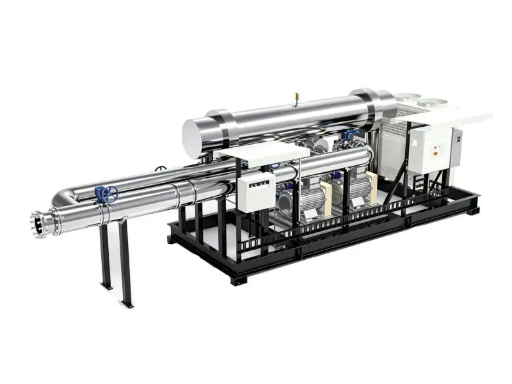
Industrial facilities rely on a continuous and stable power supply to maintain productivity, protect equipment, and ensure smooth daily operations. A sudden power interruption can affect manufacturing processes, delay production, and create unnecessary operational costs. For this reason, many industries are investing in reliable energy solutions that can provide consistent electricity whenever it is needed.
Industrial gas cogeneration units offer an effective solution by producing dependable power using natural gas as a fuel source. With advanced technology and efficient operation, these systems help businesses achieve energy security while improving overall performance. However, selecting the right generator requires careful planning and consideration of several important factors.
Understanding the Importance of the Right Gas Generator
Every industrial facility has different energy requirements. A generator that works well for one business may not provide the same results for another. Factors such as power demand, operating hours, facility size, and future expansion plans all influence the selection process.
A properly chosen gas generator can support critical operations, reduce downtime, and improve energy management. On the other hand, an incorrectly sized or unsuitable system may lead to higher costs, inefficient performance, and unnecessary maintenance issues.
Key Factors to Consider When Choosing an Industrial Gas Generator
Power Capacity and Energy Requirements
The first step in selecting an industrial generator is understanding the facility’s power requirements. Businesses should evaluate their current electricity consumption and consider future energy needs before making a decision.
Choosing a system with the correct capacity ensures reliable performance without wasting fuel or resources. A generator that is too small may struggle to handle demand, while an oversized system may increase operational expenses.
Fuel Efficiency and Performance
Fuel efficiency plays an important role in long-term generator operation. Modern gas-powered systems are designed to maximize energy output while minimizing fuel consumption.
Industries looking for improved efficiency often consider advanced solutions such as gas cogeneration units, which produce both electricity and useful heat from the same fuel source. This allows facilities to make better use of available energy and reduce overall waste.
Reliability and Continuous Operation
Industrial environments often require power systems that can operate for extended periods. A dependable generator should provide consistent output during normal operations as well as emergency situations.
Facilities should look for generators with strong components, advanced monitoring systems, and reliable control features to ensure stable performance under different conditions.
Applications of Industrial Gas Generators
Gas generators are widely used across various industries where uninterrupted power is essential. Common applications include:
- Manufacturing plants
- Processing facilities
- Commercial buildings
- Data centers
- Agricultural operations
- Healthcare facilities
- Research centers
- Industrial complexes
Healthcare environments have especially high energy demands because medical equipment and critical systems require constant electricity. This is why many facilities evaluate gas generators for hospital applications to maintain reliable power support during emergencies or grid failures.
Maintenance and Service Considerations
Regular maintenance is essential for keeping an industrial generator operating efficiently. Before selecting a system, businesses should consider the availability of technical support, spare parts, and service options.
A generator with easy maintenance access and professional support can reduce downtime and extend equipment life. Scheduled inspections, performance checks, and timely servicing help maintain reliable operation over the long term.
Environmental and Operational Benefits
Modern gas generators provide several advantages for industries focusing on efficiency and sustainability. Natural gas systems generally offer cleaner operation compared to some traditional fuel alternatives.
By improving fuel utilization and reducing emissions, these systems allow companies to meet operational goals while supporting more responsible energy practices.
Choosing a Future-Ready Generator Solution
Technology continues to improve the performance of industrial energy systems. Today’s generators include smart controls, remote monitoring capabilities, and improved efficiency features that help businesses manage power production more effectively.
When selecting a generator, companies should consider not only their current needs but also future growth. A flexible and scalable system can adapt to changing energy demands and provide long-term value.
Conclusion
Selecting the right industrial gas generator requires careful evaluation of energy needs, efficiency, reliability, and maintenance requirements. A well-designed system can help businesses achieve stable power supply, reduce operational challenges, and improve overall energy performance.
Whether used for manufacturing, commercial facilities, or critical environments, modern gas generators for hospital provide a dependable approach to industrial energy management. With the right planning and technology, businesses can create a more efficient and reliable power infrastructure for the future.