Overview of TradingView Features
In the ever-evolving landscape of financial trading, having access to advanced tools and market insights is critical for success. TradingView emerges as a leading platform, offering a comprehensive suite of features designed to cater to traders of all experience levels. From real-time market data to sophisticated charting capabilities and customizable alerts, TradingView has established itself as an indispensable resource for traders worldwide.
What is TradingView? Understanding the Basics
TradingView is a cloud-based platform that combines advanced charting tools with social networking features, allowing users to share ideas and collaborate with others in real time. It supports a vast array of markets including stocks, forex, cryptocurrencies, and commodities, making it a versatile tool for any trader. Users engage with interactive charts, create watchlists, and utilize a plethora of indicators and drawing tools to enhance their trading strategies.
Key Functionalities: Charts, Alerts, and More
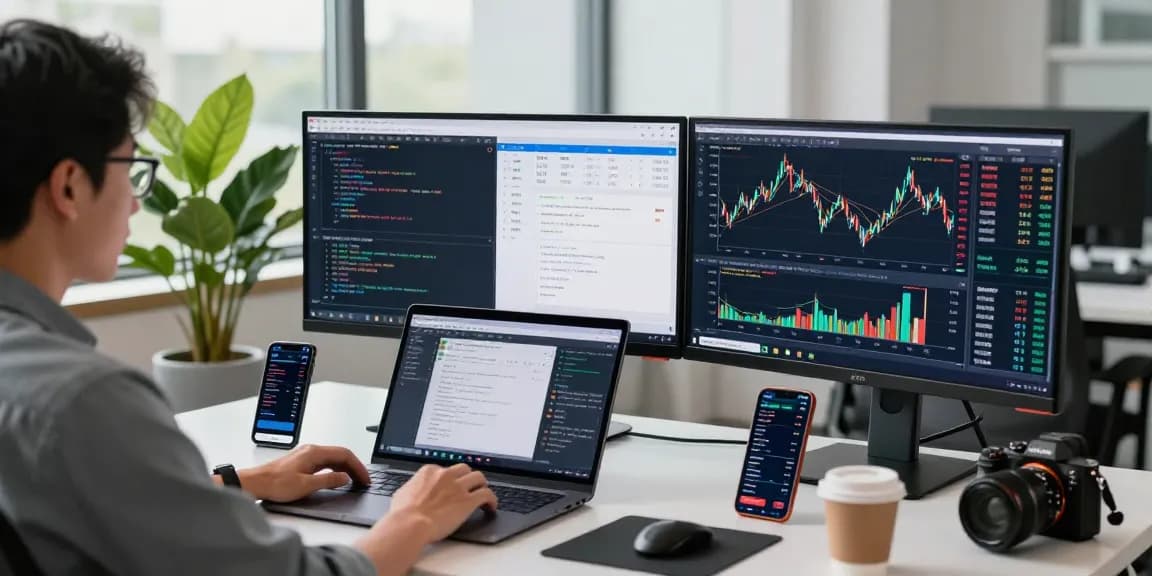
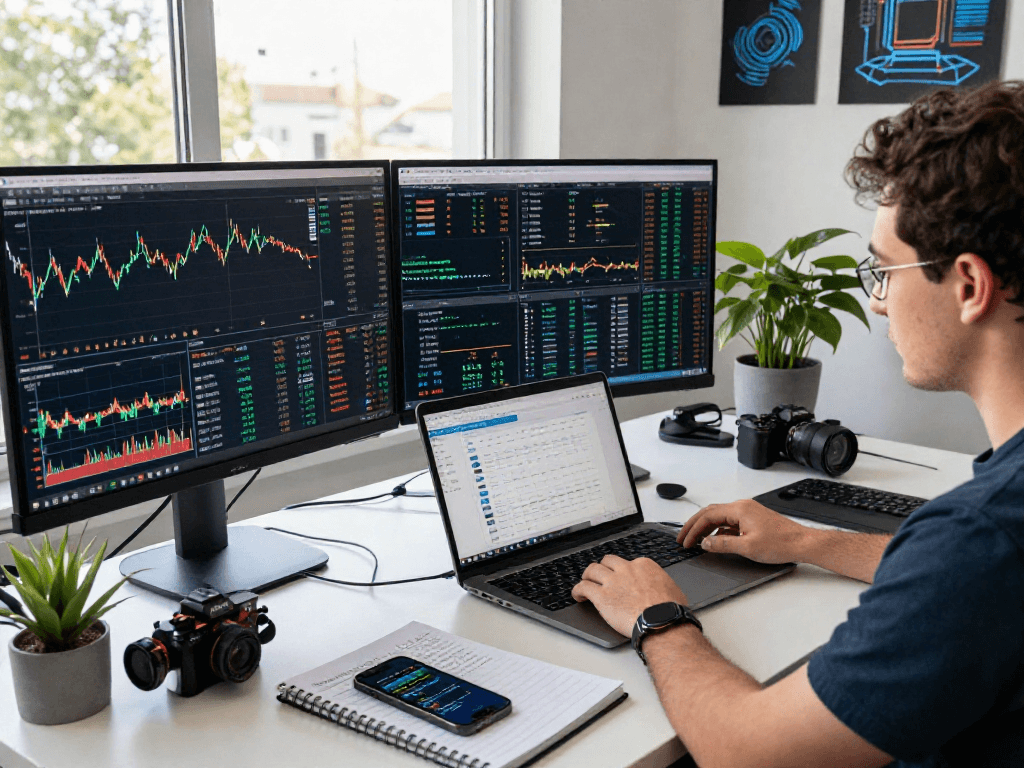
- Professional Charts: TradingView's charts are customizable, providing traders with the ability to analyze trends over multiple timeframes. Users can overlay various technical indicators, trend lines, and other drawing tools, enabling them to perform detailed analysis efficiently.
- Alerts and Notifications: One of the standout features of TradingView is its alert system. Traders can set alerts based on price movements, conditions, or even complex technical indicators, ensuring they never miss an opportunity.
- Cross-Device Access: With support for desktop, mobile, and web applications, TradingView ensures that users can access their charts and alerts regardless of the device they are using, promoting a seamless trading experience.
Supported Markets and Assets on TradingView
TradingView covers a wide range of markets and asset classes. This includes:
- Equities
- Forex
- Indices
- Cryptocurrencies
- Commodities
This extensive coverage allows traders to diversify their portfolios and take advantage of various trading opportunities across different assets.
Chart Analysis Techniques
How to Utilize Multi-Timeframe Analysis
Multi-timeframe analysis is a powerful technique employed by traders to gain broader insights into market movements. By analyzing a single instrument across various timeframes, traders can identify trends and reversals more effectively. For instance, a trader might use daily charts to identify long-term trends while using 1-hour charts to pinpoint entry and exit points. This dual approach can lead to more informed trading decisions.
Best Practices for Using Indicators and Tools
Using indicators correctly can significantly enhance the trading process. Some best practices include:
- Start with a few indicators rather than cluttering your chart with too many.
- Understand how each indicator works and what it signals before implementing it in your strategy.
- Regularly adjust settings based on changing market conditions or strategies.
Utilizing TradingView’s extensive library of indicators effectively can improve analysis quality and trading outcomes.
Comparing TradingView Charts with Other Platforms
When compared to other charting platforms, TradingView’s user interface and functionality stand out. Its simplicity, combined with powerful analytical capabilities, provides a unique user experience. Unlike many platforms, TradingView’s charts can be easily customized, allowing traders to tailor their analytical tools to their specific needs, enhancing both usability and productivity.
Setting Up Alerts Effectively
Types of Alerts: Price, Condition, and Technical
There are several types of alerts that traders can set up on TradingView:
- Price Alerts: Notify users when an asset reaches a specified price point.
- Condition Alerts: Trigger alerts based on specific conditions or combinations of conditions, such as crossovers of moving averages.
- Technical Alerts: Alerts based on technical indicators or chart patterns.
How to Customize Alerts for Your Trading Strategy
Customizing alerts allows traders to stay focused on their strategies without constantly monitoring the market. Here’s how to enhance alert effectiveness:
- Choose sensible thresholds based on historical data and market analysis.
- Test alerts in a demo environment to ensure they trigger correctly before relying on them in live trading.
- Regularly update alert settings as market conditions change.
Integration with Mobile Devices for Instant Notifications
The mobile integration of TradingView is a significant advantage, enabling traders to receive alerts instantly. This functionality allows users to act quickly when market conditions change, providing a competitive edge in fast-paced trading environments.
Cross-Device Functionality and Synchronization
Managing Your Trading Workflow Across Platforms
Managing a trading workflow across different devices is seamless with TradingView. Users can begin their analysis on a desktop, continue on a mobile device, and revert to a web version without losing any progress. This synchronization not only improves productivity but also allows traders to remain flexible in their trading environments.
Benefits of Using TradingView on Multiple Devices
There are numerous benefits to using TradingView across multiple devices, including:
- Flexibility to analyze markets anytime and anywhere.
- Continuity in workflows, ensuring that alerts and watchlists are always up-to-date.
- Convenience of accessing tools and charts on the go, especially beneficial for busy traders or those who travel frequently.
Troubleshooting Common Sync Issues
While TradingView provides excellent cross-device synchronization, users may occasionally encounter issues. Common troubleshooting steps include:
- Checking internet connectivity on all devices.
- Logging out and back in to refresh the session.
- Ensuring that the TradingView app is updated to the latest version.
Future Trends and Innovations in TradingView
Predictions for Trading Tools in 2026
As financial markets continue to develop, TradingView is poised to innovate further. Predictions for future tools include enhanced algorithmic trading functionalities and more sophisticated AI-driven analytics that can provide insights based on massive data sets. Additionally, integrating augmented reality (AR) for interactive charting experiences could redefine how traders visualize data.
Emerging Technologies: AI and Machine Learning in Trading
AI and machine learning are becoming integral parts of trading strategies. TradingView is expected to leverage these technologies to offer personalized insights based on a trader's historical performance and market behavior, leading to a more tailored trading experience.
How TradingView Will Adapt to Market Changes
To remain competitive, TradingView will need to adapt its offerings to accommodate the evolving needs of traders. This includes expanding asset coverage, enhancing user experience, and incorporating new analytical tools in response to emerging market trends.
What Features Traders Want in 2026?
Feedback from the trading community often highlights the desire for more customization options, improved community features, and enhanced educational resources within TradingView. The platform will likely evolve to integrate these enhancements, ensuring traders have the resources they need to succeed in a dynamic market environment.