
The travel industry has become increasingly competitive, with travelers having access to countless destinations, tour operators, and booking platforms. Standing out requires more than simply offering attractive itineraries or competitive prices. Successful travel businesses understand that effective marketing builds trust, answers travelers' questions, and creates memorable experiences long before the trip begins.
Modern travelers spend weeks or even months researching destinations, comparing packages, reading reviews, and watching travel videos before making a decision. This means your marketing should guide potential customers throughout their buying journey instead of focusing only on making a sale.
Whether you specialize in adventure travel, cultural tours, family vacations, or luxury experiences, the right marketing strategies can help you reach more qualified travelers and generate consistent bookings. This guide explores practical, proven techniques that travel businesses can use to strengthen their online presence, attract the right audience, and convert interest into confirmed reservations.
Know Your Ideal Customer
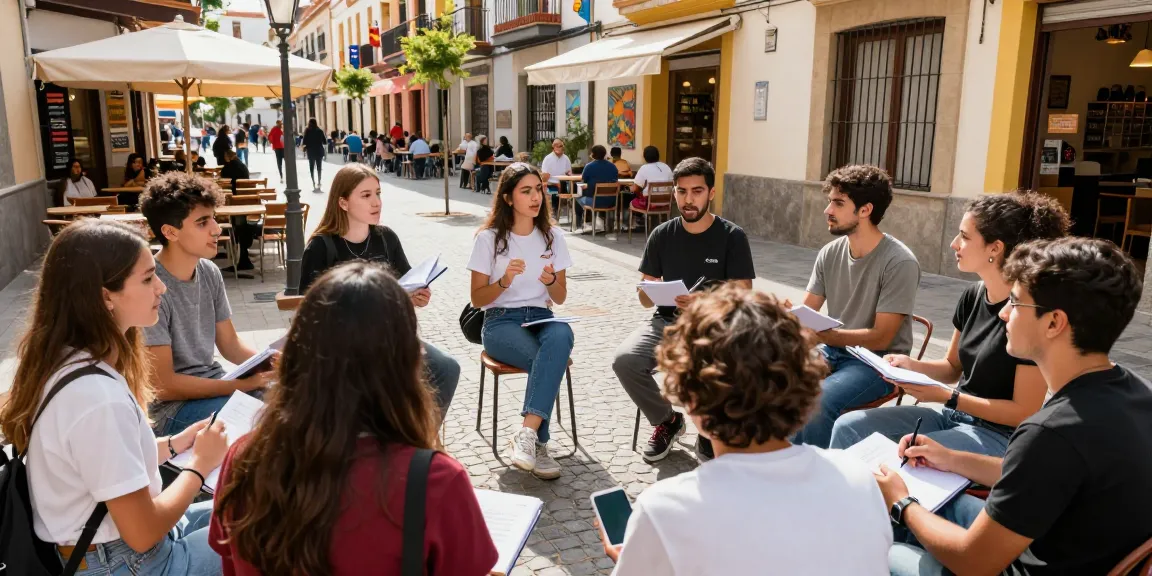
Every successful marketing campaign starts with understanding your audience. Different travelers have different motivations, budgets, and travel styles. Some prioritize adventure, while others seek relaxation, culture, or wildlife experiences.
Creating customer profiles helps you understand what your audience is searching for, which platforms they use, and what information influences their booking decisions. When your marketing speaks directly to the needs of a specific audience, it becomes much more effective than generic promotions.
Create Travel Packages That Solve Customer Needs
Travelers rarely purchase an itinerary alone. They invest in an experience that solves a problem or fulfills a dream.
Instead of simply listing destinations and prices, explain what makes each package valuable. Highlight unique experiences, local interactions, convenience, safety, and the overall journey. Make it easy for travelers to understand exactly what is included and what they can expect before, during, and after the trip.
For example, if you offer a Manaslu Circuit Trek, focus on the remote Himalayan scenery, authentic mountain villages, and cultural experiences rather than only describing the daily itinerary.
Build a Search Engine Optimized Website
Your website is often the first impression potential customers have of your business. A professional, fast, and easy-to-navigate website builds confidence and encourages visitors to explore your travel packages.
Optimize every package page with descriptive titles, clear headings, relevant keywords, and useful information. Include frequently asked questions, destination highlights, travel tips, and booking information to improve both user experience and search engine visibility.
A well-optimized website continues generating organic traffic long after content is published.
Invest in High-Quality Photography and Video
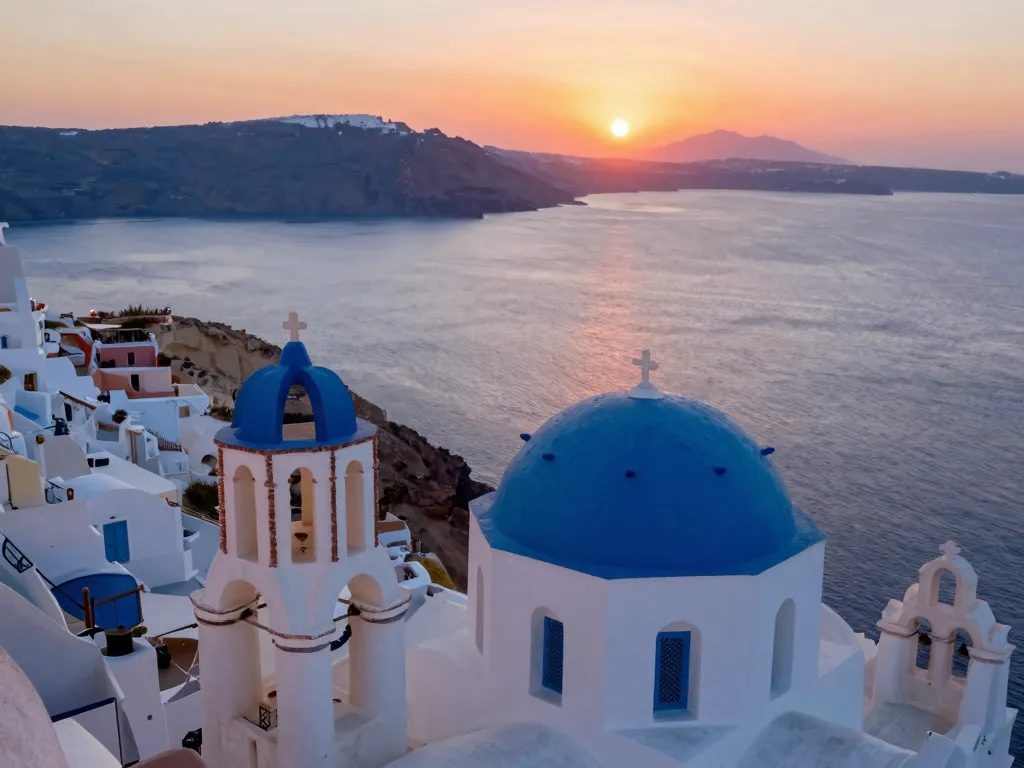
Travel is highly visual. Beautiful photography allows potential travelers to imagine themselves experiencing a destination before they even make a booking.
Use authentic images from your own tours whenever possible. Showcase landscapes, accommodations, local culture, activities, wildlife, food, and genuine customer experiences.
Short videos, drone footage, and customer testimonials can significantly increase engagement across websites and social media platforms while building credibility with potential travelers.
Publish Valuable Travel Content
Content marketing remains one of the most effective long-term strategies for attracting travelers.
Write informative blogs that answer common travel questions, explain destinations, compare itineraries, share packing advice, and offer seasonal travel recommendations. Educational content demonstrates expertise while helping your website rank for valuable search terms.
Instead of constantly promoting your services, focus on solving problems and providing information that travelers genuinely find useful.
Use Social Media to Inspire Rather Than Sell
Many travel businesses treat social media as a place to advertise packages, but audiences respond much better to inspiring and educational content.
Share destination highlights, travel tips, local traditions, behind-the-scenes moments, customer stories, and short videos from recent tours. Encourage conversations by asking questions and responding to comments promptly.
Consistency matters more than posting large amounts of content. A regular posting schedule helps keep your brand visible throughout the year.
Build Trust Through Customer Reviews
Travelers trust other travelers. Positive reviews and testimonials often influence booking decisions more than promotional advertisements.
Encourage customers to share honest feedback after their trip. Display reviews prominently on your website and social media channels, and include photos whenever possible.
Authentic customer experiences reassure potential travelers that your company delivers on its promises.
Use Email Marketing to Nurture Potential Customers
Not every visitor is ready to book immediately. Email marketing allows you to stay connected while travelers continue researching their options.
Send useful newsletters featuring destination guides, seasonal travel inspiration, new packages, travel tips, and exclusive offers. Keep emails informative and relevant rather than overly promotional.
A well-maintained email list can generate repeat bookings while strengthening long-term customer relationships.
Partner with Travel Creators and Local Businesses
Collaborating with travel bloggers, photographers, videographers, hotels, and local tourism businesses helps expand your reach.
Choose partners whose audiences align with your target market. Authentic collaborations often produce better results than traditional advertising because recommendations feel more trustworthy and personal.
These partnerships also create opportunities for shared marketing campaigns and valuable content creation.
Use Paid Advertising Strategically
Organic marketing builds long-term growth, but paid advertising helps generate faster visibility.
Search engine advertising targets travelers actively looking for tours, while social media advertising reaches audiences based on travel interests, demographics, and online behavior.
Start with a focused budget, monitor campaign performance carefully, and continually refine your targeting to maximize return on investment.
Keep Your Package Information Updated
Travel information changes regularly. Pricing, itineraries, accommodation, transportation, and permit requirements may all change throughout the year.
Keeping your website updated improves customer confidence while preventing confusion during the booking process. Fresh content also signals to search engines that your website is active and well maintained.
Regular updates demonstrate professionalism and improve the overall customer experience.
Measure Results and Improve Continuously
Successful marketing depends on ongoing improvement rather than one-time campaigns.
Track important performance indicators such as website traffic, inquiry rates, booking conversions, email open rates, and social media engagement. Understanding which marketing channels generate the best results allows you to allocate your budget more effectively.
Review your marketing performance regularly, test new ideas, and adjust your strategy based on real customer behavior rather than assumptions.
Practical Marketing Tips
Successful travel marketing requires consistency rather than occasional promotional campaigns. Publish new content regularly, update existing pages, and stay active across your most important marketing channels.
Focus on building trust before trying to make a sale. Travelers are more likely to book with businesses that provide helpful information, transparent pricing, and prompt communication.
Finally, remember that every interaction contributes to your brand reputation. A positive customer experience before, during, and after the trip often leads to repeat bookings, referrals, and valuable online reviews that support future growth.
Conclusion
Marketing travel packages successfully requires more than attractive destinations and competitive prices. Today's travelers expect useful information, authentic experiences, transparent communication, and businesses they can trust.
By understanding your audience, creating valuable content, optimizing your website, showcasing real experiences, and continuously measuring your results, you can build a marketing strategy that generates sustainable growth. Over time, these proven strategies will help your travel business reach more qualified customers, strengthen its reputation, and increase bookings in an increasingly competitive travel market.