Understanding Smart Locks and Their Benefits
In an era where technology reigns supreme, the concept of home security has undergone a significant transformation. Smart locks are at the forefront of this change, offering unprecedented convenience, control, and peace of mind. خرید قفل هوشمند is not just a trend; it reflects a deeper shift towards integrated security solutions that cater to the modern homeowner's needs.
What is a Smart Lock?
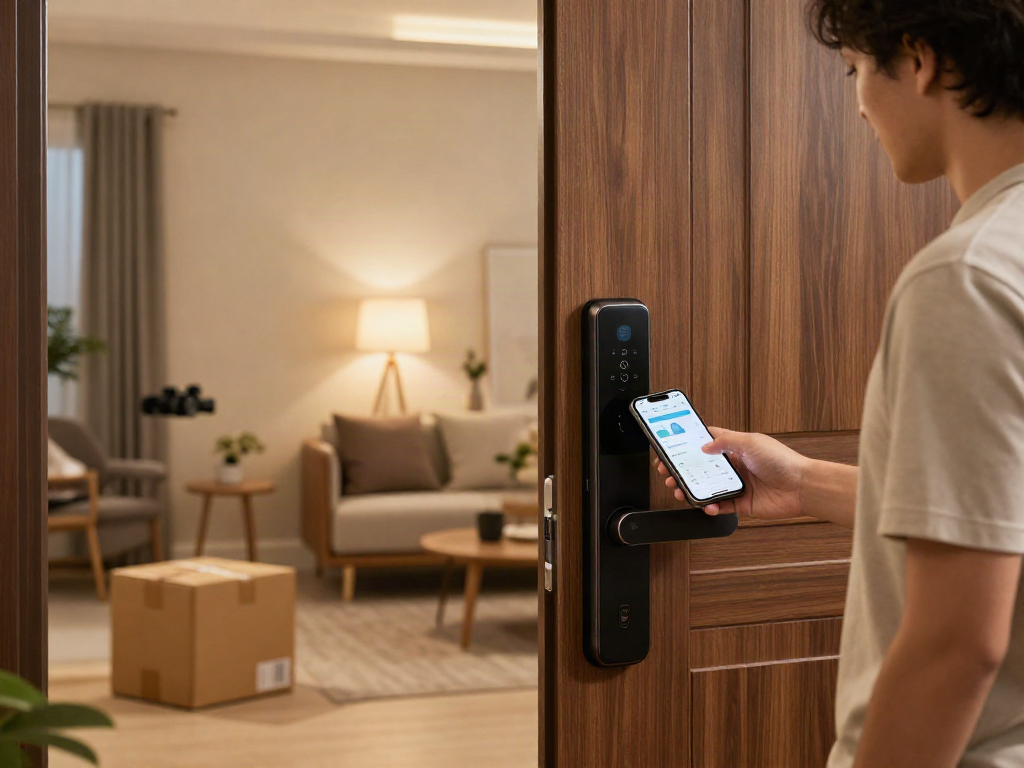
A smart lock is a keyless locking device that allows you to manage access to your home using a smartphone app or other electronic means. Unlike traditional locks, which require physical keys, smart locks can be controlled remotely, enabling users to lock or unlock their doors from anywhere in the world. This innovative technology integrates seamlessly with home automation systems, providing users with a comprehensive security solution that can be tailored to individual preferences.
Benefits of Purchasing a Smart Lock
- Enhanced Security: Smart locks offer advanced encryption protocols, making unauthorized access nearly impossible.
- Convenience: No more fumbling for keys; with a smart lock, entry is as simple as a tap on your smartphone.
- Remote Access: Grant access to guests, housekeepers, or maintenance personnel without needing to meet them in person.
- Real-Time Alerts: Receive notifications whenever your door is locked or unlocked, ensuring you’re always in the loop.
- Integration with Other Smart Devices: Smart locks can work in tandem with security cameras, alarms, and other home automation devices, creating a cohesive security ecosystem.
How Smart Locks Enhance Home Security
Smart locks significantly enhance home security by incorporating features that traditional locks cannot offer. For example, many smart locks come equipped with alarm systems that alert homeowners of unauthorized access attempts, and some even include biometric authentication, such as fingerprint scanning. Additionally, the ability to change access codes at any time means that you can maintain control over who has entry to your home without the need to replace physical keys.
Choosing the Right Smart Lock for Your Needs
Key Features to Consider When Buying
When selecting a smart lock, it’s essential to consider various features that match your lifestyle and security requirements. Here are some important aspects to evaluate:
- Lock Type: Choose between deadbolts and lever locks based on your door's configuration.
- Power Source: Most smart locks run on batteries; check the battery life and whether it has a backup power system.
- Connectivity: Ensure compatibility with your smartphone and home automation system, whether via Bluetooth, Wi-Fi, or Zigbee.
- Installation Ease: Some models are easier to install than others, so consider whether you want a DIY option or professional installation.
- Brand Reputation: Research customer reviews and industry ratings to determine the reliability and effectiveness of the brand.
Top Brands for Smart Locks in 2026
The smart lock market is increasingly competitive, with several brands leading the way. Some of the top brands in 2026 include:
- August: Known for its innovative designs and integration capabilities.
- Schlage: A trusted name in home security, Schlage offers robust smart locks that don’t compromise on quality.
- Yale: With a long history in locking technology, Yale’s smart locks are user-friendly and feature-rich.
- Kwikset: Offers a range of customizable smart locks tailored for different security needs.
- Level Lock: This brand converts traditional deadbolts into smart locks, offering versatility without needing to change hardware.
Smart Lock Comparison: Pros and Cons
As with any technology, smart locks have their advantages and disadvantages. Here’s a breakdown to help you decide:
- Pros:
- Cons:
Installation and Maintenance of Smart Locks
Step-by-Step Installation Guide
Installing a smart lock can be straightforward if you follow these steps:
- Gather all necessary tools and components included with the lock kit.
- Remove the existing lock and deadbolt using a screwdriver.
- Follow the manufacturer’s instructions to install the smart lock mechanism.
- Connect the smart lock to your home’s Wi-Fi or Bluetooth network as per the guidelines.
- Test the lock by locking and unlocking via the app to ensure proper functionality.
- Finally, secure and conceal any wiring if necessary.
Common Troubleshooting Tips
If you encounter issues with your smart lock, consider these troubleshooting tips:
- Check the batteries and replace them if they are low.
- Restart the app or your smartphone to reset the connection.
- Ensure the lock is within the effective range of your Wi-Fi or Bluetooth.
- Re-install the lock if it isn’t aligning correctly with the door frame.
- Update the lock firmware via the app to fix bugs and improve performance.
Maintaining Your Smart Lock for Longevity
To ensure your smart lock continues to function effectively, consider these maintenance tips:
- Regularly check and replace batteries to avoid unexpected lockouts.
- Keep the lock clean and free from dust and debris.
- Test all functions, including remote access, to ensure reliability.
- Check for software updates periodically to enhance security features.
- Consider professional servicing if you experience persistent issues.
Smart Lock Technology and Innovations for 2026
Emerging Technologies in Smart Lock Design
The smart lock industry is continuously evolving, with emerging technologies enhancing functionality. Innovations such as biometrics, which involve fingerprint recognition and facial recognition, are becoming more common. Additionally, advancements in artificial intelligence (AI) are paving the way for smart locks to learn user behavior and adapt their accessibility accordingly, thus improving both security and convenience.
Integrating Smart Locks with Home Automation
Smart locks can be part of a broader home automation ecosystem. From syncing with voice assistants like Amazon Alexa and Google Assistant to integrating with smart cameras and alarm systems, these locks enhance overall home security. For instance, you can set routines where the lock automatically engages when the alarm system is armed, providing seamless security management.
Future Trends in Smart Lock Security
As the demand for smart locks increases, so do security concerns. Future trends include heightened focus on cybersecurity measures, such as end-to-end encryption and multi-factor authentication. Furthermore, the integration of blockchain technology could provide a more secure method of controlling access, ensuring that each entry is verified and logged securely.
Frequently Asked Questions About Smart Locks
Are Smart Locks Safe?
Yes, most smart locks are designed with advanced security features, including encryption and two-factor authentication, making them safer than traditional locks when properly installed and maintained.
How Do Smart Locks Work?
Smart locks work by communicating with your smartphone or other devices via Bluetooth or Wi-Fi. When you use an app to lock or unlock the door, the command is sent wirelessly to the lock, allowing or denying access based on your settings.
Can I Override a Smart Lock if Necessary?
Yes, many smart locks come with a mechanical key override option that allows you to unlock the door using a traditional key in case of battery failure or technical issues.
What Happens if My Smart Lock Battery Dies?
Most smart locks come with a low battery alert feature that notifies you before the battery dies. If it does, you usually can still access the lock using a physical key or by connecting an external power source temporarily.
How Do I Reset My Smart Lock?
Resetting your smart lock typically involves pressing a specific combination of buttons on the lock or using the app to initiate a factory reset. Be sure to refer to the manufacturer’s manual for precise instructions.