
 Health
The view doc source Game Plan for Serious Eye…
Understanding Eye Health and Common Vision Issues
Maintaining optimal eye health is essential not only for clear vision but also for overall well-being. As the world becomes increasingly digital, the prevalence of eye-related issues, such as digital eye strain, grows. Addressing these concerns requires an understanding of common eye conditions, the impact of lifestyle factors, and recognizing symptoms that necessitate a comprehensive eye examination. At SNU Eye Clinic, we are committed to providing advanced eye care and ensuring that our patients receive personalized treatment tailored to their unique needs. To explore our extensive offerings, including specialized testing and innovative treatments, view doc source for more information.
What are the most common eye conditions?
Several eye conditions can affect individuals of all ages, and understanding these can aid in prevention and early intervention. Common issues include:
- Myopia (Nearsightedness): Difficulty seeing distant objects clearly.
- Hyperopia (Farsightedness): Difficulty focusing on nearby objects.
- Astigmatism: Blurred vision due to an irregularly shaped cornea.
- Presbyopia: Age-related difficulty in focusing on close objects.
- Glaucoma: Damage to the optic nerve, often associated with high intraocular pressure.
- Cataracts: Clouding of the eye lens, leading to blurred vision.
How does lifestyle affect vision?
Modern lifestyles can significantly influence eye health. Prolonged exposure to screens, poor nutrition, and lack of physical activity can lead to various vision problems. For instance, excessive screen time can cause digital eye strain, characterized by discomfort and blurred vision. Additionally, diets lacking in essential nutrients such as Vitamin A, C, and Omega-3 fatty acids can impair vision health. Implementing regular breaks during screen use, incorporating eye-healthy foods, and maintaining an active lifestyle can enhance overall eye health.
What are the symptoms indicating the need for a comprehensive eye exam?
Recognizing when to seek professional eye care is crucial. Symptoms that may indicate the need for a comprehensive eye exam include:
- Frequent headaches, especially after prolonged screen use.
- Blurred or double vision.
- Difficulty seeing at night.
- Sudden onset of flashes or floaters in vision.
- Changes in color perception.
- Persistent eye discomfort or dryness.
Key Treatments Offered at SNU Eye Clinic
At SNU Eye Clinic, we offer a wide range of advanced vision correction procedures tailored to each patient’s specific needs. Our commitment to excellence is reflected in our comprehensive treatment options, which include personalized vision care and state-of-the-art surgical techniques.
Overview of advanced vision correction procedures
Vision correction methods have evolved dramatically over the years, allowing for more effective and tailored solutions. Common procedures include:
- LASIK: A laser surgery that reshapes the cornea to improve focus.
- PRK (Photorefractive Keratectomy): An alternative to LASIK for patients with thinner corneas.
- ICL (Implantable Collamer Lens): A lens implanted in the eye to address severe refractive errors.
- Corneal Cross-Linking: A procedure to strengthen corneal tissue and halt the progression of certain conditions.
What is ICL and how does it work?
The Implantable Collamer Lens (ICL) procedure involves placing a lens inside the eye without the need for permanent removal of corneal tissue. This method is particularly beneficial for patients who are not suitable candidates for LASIK. The ICL can effectively correct high degrees of myopia, hyperopia, and astigmatism. The lens works by enhancing the eye’s natural focusing power, resulting in clear vision without compromising the cornea’s integrity.
Benefits of personalized 1:1 vision care approaches
Every patient has unique visual needs, and that’s why our 1:1 vision care approach is fundamental at SNU Eye Clinic. This personalized treatment model ensures that each patient receives tailored assessments and solutions. Benefits include:
- Detailed understanding of individual eye health and conditions.
- Customized treatment plans based on specific visual requirements.
- Increased patient satisfaction through targeted care.
- Ongoing support and communication throughout the treatment journey.
The Importance of Comprehensive Eye Tests
Comprehensive eye exams are essential for accurate diagnosis and effective treatment plans. At SNU Eye Clinic, we conduct a rigorous assessment process that includes 52 detailed tests across seven categories, ensuring no aspect of eye health is overlooked.
What are the 52 detailed tests included in our program?
Our comprehensive testing program includes a variety of assessments that evaluate different aspects of vision and eye health. These tests help us identify underlying conditions, measure visual acuity, and tailor treatment plans accordingly. Examples of tests include:
- Visual acuity testing.
- Refraction assessment.
- Slit lamp examination.
- Intraocular pressure measurement.
- Optical coherence tomography (OCT).
- Fundus photography.
Understanding nuances in eye assessment methods
The methods employed during eye assessments can vary significantly, impacting diagnosis and treatment. Our team of experts utilizes the latest technology and techniques to provide accurate results, ensuring that patients receive the most effective treatment options available.
How detailed tests lead to effective treatment plans
The information gathered from detailed tests is instrumental in developing effective treatment plans. By understanding the intricacies of each patient’s eye health, our ophthalmologists can recommend the most suitable corrective procedures, ranging from non-invasive methods to advanced surgical interventions.
Success Stories: Transformational Outcomes
At SNU Eye Clinic, the success of our treatments is reflected in the myriad of positive patient outcomes. With over 50,000 successful surgeries performed, our focus on excellence in eye care has transformed countless lives.
Case studies on over 50,000 successful surgeries
Our extensive experience allows us to conduct case studies that highlight the specific challenges faced by patients and the solutions we provide. These real-life examples showcase the impact of tailored surgical approaches and the commitment of our medical team in achieving outstanding results.
Patient testimonials and their journeys
Hearing from patients about their experiences can provide invaluable insight into the quality of care at SNU Eye Clinic. Testimonials highlight not only the successful outcomes but also the comprehensive support received throughout their treatment journey. These stories serve as a testament to our dedication to patient-centered care.
Highlighting the significance of trust in medical care
Trust is a crucial component of the patient-care provider relationship, especially in healthcare. Establishing a rapport with our patients ensures they feel comfortable discussing their concerns and are more likely to engage fully with their treatment plans. Our clinic prioritizes transparency, allowing patients to feel empowered in their decisions regarding eye care.
Future of Eye Care: Trends to Watch in 2026
The healthcare landscape continues to evolve, and eye care is no exception. With advancements in technology and innovative procedures, the future of eye care holds exciting potential for enhanced patient outcomes.
Emerging technologies in eye surgery
New technologies are revolutionizing how eye surgeries are conducted. Techniques such as robotic-assisted surgery and artificial intelligence are paving the way for more precise procedures, reducing recovery times and improving overall results. As these technologies become more widely adopted, we can expect significant advancements in surgical outcomes.
What advancements are shaping patient care?
Emerging trends in patient care focus on enhancing the overall experience through improved accessibility and personalization. Telemedicine is increasingly being integrated into eye care, allowing patients to consult specialists remotely, facilitating quicker consultations without the need for long travel. Such innovations are expected to shape the future of patient care significantly.
Predictions for eye health and wellness in the coming years
In the coming years, we may see a greater emphasis on preventive care and patient education. Comprehensive eye health screenings will become more prevalent, enabling earlier detection of conditions such as glaucoma and diabetic retinopathy, leading to better management and outcomes.
How to stay informed and proactive about eye health?
Staying informed about eye health involves regular consultations with eye care professionals and following best practices for maintaining eye wellness. Engaging in healthy lifestyle choices, such as proper nutrition and routine eye exercises, can help mitigate risks associated with vision problems.
How does SNU Eye Clinic plan to innovate in the field?
At SNU Eye Clinic, we are committed to remaining at the forefront of eye care innovation. Our focus on continuous research and development helps us integrate the latest technologies and surgical techniques, ensuring our patients receive cutting-edge care.
Will personalized treatments become the norm?
As awareness of individualized care grows, personalized treatment plans are likely to become the standard in eye care. By tailoring approaches based on the unique needs of patients, we can enhance treatment effectiveness and patient satisfaction.
Frequently Asked Questions about Eye Care Services
What should I expect during my consultation?
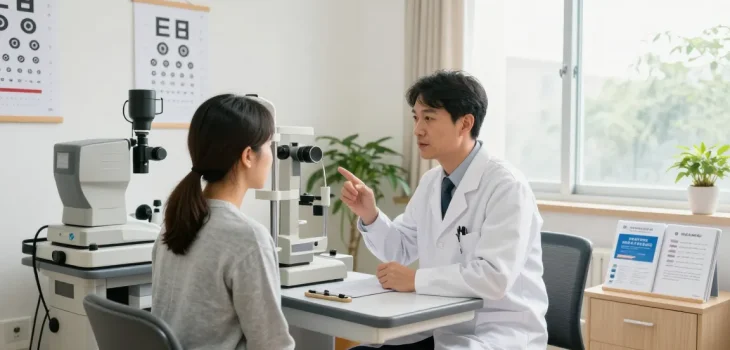
During your initial consultation at SNU Eye Clinic, you can expect a thorough eye examination accompanied by a detailed discussion about your medical history and any symptoms you may be experiencing. This will help our specialists formulate a preliminary treatment plan tailored to your needs.
How can I prepare for my eye surgery?
Preparation for eye surgery typically involves a consultation where our team will provide specific instructions tailored to your procedure. This may include advice on medications to avoid and any necessary preoperative assessments.
What follow-up care is necessary after surgery?
Post-operative care is crucial for ensuring successful outcomes. Patients are usually advised to attend follow-up appointments to monitor healing and address any concerns. Proper post-operative care may include using prescribed eye drops and avoiding certain activities that could hinder recovery.


